Mastering Mandala Vector Art Pattern Black 90: A Practical Guide for Creative Professionals
Mandala Vector Art Pattern Black 90 is more than just a design element—it’s a versatile tool that can elevate your creative projects across multiple industries. Whether you're a graphic designer, marketer, educator, or hobbyist, understanding how to use this pattern effectively can make a significant difference in the quality and impact of your work.
What Is Mandala Vector Art Pattern Black 90?
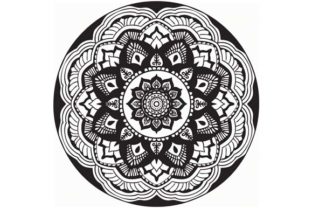
Mandala Vector Art Pattern Black 90 is a high-resolution vector design featuring intricate geometric patterns and symmetry. It's crafted in black tones, making it ideal for minimalist designs, branding, and digital illustrations. This pattern comes in AI, EPS, and JPG formats, ensuring compatibility with various software and platforms.
The pattern is often used in print and digital media, from packaging and social media graphics to website backgrounds and educational materials. Its timeless appeal and structured design make it a favorite among professionals seeking both aesthetic and functional value.
Common Mistakes When Using Mandala Vector Art Pattern Black 90
While Mandala Vector Art Pattern Black 90 is powerful, many users make mistakes that can limit its potential. Understanding these pitfalls can help you avoid unnecessary frustration and ensure better results.
- Ignoring File Format Compatibility: Not all programs support every file type. For instance, while JPG files are great for web use, they lack the scalability of AI or EPS formats. Always check the format requirements of your project before downloading.
- Using Low-Quality Versions: Some sources may offer lower resolution versions of the pattern. These can appear pixelated when scaled up, especially in print or large-format applications. Always opt for the highest quality available.
- Overlooking Licensing Restrictions: Many vector patterns come with specific usage rights. Failing to review the license agreement can lead to legal issues or restrictions on how you can use the design in commercial or personal projects.
- Not Customizing the Design: Using the pattern as-is without modification can result in generic visuals that fail to capture attention. Adding color accents, textures, or typography can significantly enhance the final outcome.
- Underestimating the Learning Curve: Even though the pattern is pre-designed, integrating it into your workflow requires some technical knowledge. Beginners may struggle with tools like Adobe Illustrator or Inkscape, leading to inefficiencies.
How These Mistakes Affect Your Work
Each of these errors can have real-world consequences. Poor file format choices may lead to formatting issues in your final output, reducing professionalism. Low-quality versions can damage brand perception, especially in marketing or educational contexts where clarity is essential.
Licensing oversights can result in costly legal disputes or forced removal of content from public platforms. Lack of customization may cause your designs to blend in rather than stand out, which is particularly problematic in competitive markets like social media or e-commerce.
Finally, not investing time in learning how to use the pattern properly can slow down your workflow and reduce overall satisfaction with your creative process.
Practical Tips to Avoid Common Pitfalls
Here are actionable steps to help you use Mandala Vector Art Pattern Black 90 more effectively:
- Verify File Compatibility: Before importing the pattern into your design software, confirm that the file format matches your project needs. For scalable designs, prioritize AI or EPS files.
- Review License Terms Carefully: Ensure you understand the terms of use. If you're unsure, contact the provider for clarification or choose a pattern with clear, permissive licensing.
- Customize for Maximum Impact: Experiment with colors, shapes, and layers to create unique compositions. Consider using the pattern as a base and building upon it with additional elements.
- Invest in Learning Resources: If you're new to vector art, take the time to learn basic design principles. Online tutorials, courses, and forums can provide valuable insights and shortcuts.
- Test Across Platforms: Always preview your design on different devices and screen sizes to ensure it looks consistent and professional in all contexts.
Realistic Examples and Better Approaches
Imagine you're designing a logo for a wellness brand. Using Mandala Vector Art Pattern Black 90 as a background could add depth and visual interest. However, if you simply place the pattern behind text without adjusting its opacity or adding subtle gradients, the result might feel flat and unengaging.
A better approach would be to layer the pattern beneath your main design elements, adjust its transparency, and combine it with complementary colors. This creates a balanced composition that highlights your brand identity while maintaining the pattern's aesthetic appeal.
Another example involves social media graphics. If you download a low-resolution version of the pattern and use it for a promotional post, it may appear blurry or distorted. Instead, always use the highest quality version and ensure your design software is set to the correct resolution settings.
What to Check Before Using Mandala Vector Art Pattern Black 90
Before incorporating Mandala Vector Art Pattern Black 90 into your project, consider the following:
- Resolution and Scale: Confirm that the pattern is suitable for your intended use, whether it's for print, web, or mobile.
- License Agreement: Review the terms of use to ensure you're allowed to use the pattern in your specific context.
- Software Compatibility: Check if your design tools support the file format you've chosen.
- Design Intent: Ask yourself how the pattern aligns with your creative goals and whether it enhances or detracts from your message.
- Backup and Storage: Save multiple copies of the file in different locations to prevent data loss.
By addressing these considerations upfront, you can maximize the value of Mandala Vector Art Pattern Black 90 and avoid common pitfalls that might otherwise compromise your project’s success.