Exploring Mandala Vector Art Pattern 220: A Creative and Versatile Design
In the world of digital design, vector art has become an essential tool for artists, designers, and creators across various industries. Among the many vector patterns available, Mandala Vector Art Pattern 220 stands out as a unique and visually captivating design that blends tradition with modern creativity. Whether you're a beginner or an experienced designer, this pattern offers a wide range of possibilities for use in both personal and professional projects.
What Is Mandala Vector Art Pattern 220?
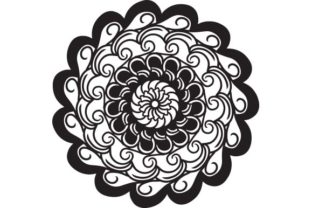
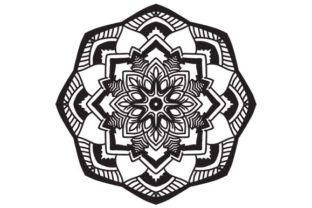
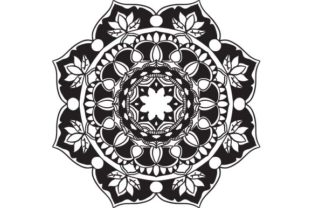
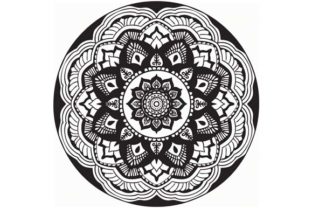
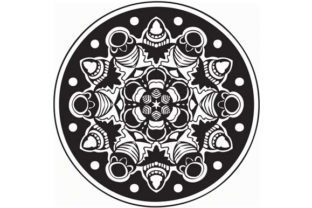
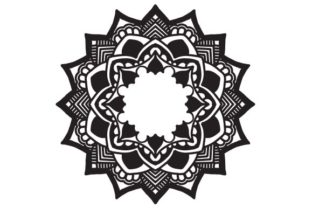
Mandala Vector Art Pattern 220 is a meticulously crafted vector-based design that features intricate geometric shapes and symmetrical patterns commonly associated with mandalas. These designs are often used in spiritual practices, meditation, and artistic expression. However, in the context of digital design, they have evolved into versatile tools that can be adapted for a variety of purposes, from branding to graphic design.
This specific pattern, labeled as "Pattern 220," is known for its balanced composition and detailed structure. It is designed to be scalable, making it ideal for use in different formats such as AI (Adobe Illustrator), EPS (Encapsulated PostScript), and JPG (Joint Photographic Experts Group). This versatility ensures that the pattern can be easily integrated into various design workflows and platforms.
The Significance of Mandalas in Design
Mandalas have a rich cultural and historical background, originating from ancient Indian and Tibetan Buddhist traditions. They symbolize the universe and are believed to represent the interconnectedness of all things. In modern design, these symbols have been reinterpreted to serve aesthetic and functional purposes.
Mandala Vector Art Pattern 220 captures this essence by combining traditional elements with contemporary design principles. The symmetry and repetition in the pattern create a sense of harmony and balance, which is highly appealing in visual design. This makes it particularly useful for creating logos, backgrounds, and decorative elements that convey a sense of calm and order.
Why Choose Mandala Vector Art Pattern 220?
- High Quality and Scalability: As a vector file, this pattern maintains its clarity at any size, making it perfect for both small icons and large banners.
- Easy to Customize: With AI and EPS formats, users can edit colors, shapes, and details to suit their specific needs.
- Wide Range of Applications: From web design to print media, this pattern can be used in numerous creative projects.
- Time-Saving Tool: Pre-designed patterns like this save time and effort in the creative process, allowing designers to focus on more complex aspects of their work.
How to Use Mandala Vector Art Pattern 220 in Your Projects
Whether you're working on a personal project or a business endeavor, Mandala Vector Art Pattern 220 can be a valuable asset. Here are some practical ways to incorporate it into your design work:
- Branding: Use the pattern as a background or accent element in logo designs, social media graphics, or packaging materials.
- Web Design: Integrate the pattern into website headers, footers, or buttons to add a unique visual touch.
- Print Media: Apply the pattern to posters, flyers, or brochures to create eye-catching layouts.
- Artistic Expression: Use the pattern as a base for custom illustrations, digital paintings, or mixed-media artworks.
Understanding the File Formats
When working with Mandala Vector Art Pattern 220, it's important to understand the different file formats available and how they can be used effectively:
AI (Adobe Illustrator)
The AI format is ideal for editing and customizing the pattern. It allows for precise control over individual elements, making it suitable for advanced design work. If you're using Adobe Illustrator, you can easily modify colors, shapes, and layout to match your project requirements.
EPS (Encapsulated PostScript)
The EPS format is widely supported by most design software and is excellent for printing. It preserves the quality of the vector artwork, ensuring that the final output remains sharp and clear, even when scaled up.
JPG (Joint Photographic Experts Group)
The JPG format is best suited for web use. While it's a raster image format, it provides high-quality visuals that load quickly on websites. However, it should be noted that JPG files do not scale well, so they are not recommended for large-scale printing or detailed editing.
Common Misconceptions About Mandala Patterns
While mandalas are often associated with spiritual or religious contexts, they are not limited to those uses. Many designers and artists use them purely for their aesthetic appeal and structural complexity. It's important to recognize that mandalas can be a powerful tool in both creative and commercial settings.
Another common misconception is that mandala patterns are only suitable for certain industries. In reality, they can be adapted to fit a wide range of applications, including fashion, interior design, and even technology interfaces. Their ability to convey balance and harmony makes them a versatile choice for any design project.
Conclusion: Embracing Creativity with Mandala Vector Art Pattern 220
Mandala Vector Art Pattern 220 is more than just a decorative element—it's a versatile design tool that can enhance both personal and professional projects. Its combination of traditional symbolism and modern adaptability makes it an excellent choice for designers looking to add depth and meaning to their work.
Whether you're exploring new design ideas, looking to streamline your workflow, or simply interested in the beauty of mandalas, this pattern offers something for everyone. With its availability in AI, EPS, and JPG formats, it's easy to integrate into your creative toolkit and bring your visions to life.
By understanding the significance, purpose, and practical applications of Mandala Vector Art Pattern 220, you can unlock new possibilities in your design journey. So why not give it a try and see how it can transform your next project?