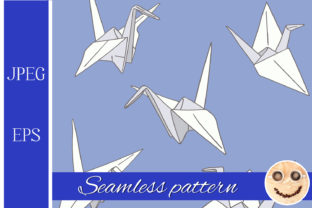
Origami Bird Crane Pattern: A Guide to Choosing and Using the Right Design
The origami bird crane pattern is more than just a paper folding project—it’s a symbol of peace, resilience, and beauty. Originating from Japanese culture, the origami crane has become a global icon, often associated with healing and hope. For many, creating an origami bird crane is a rewarding way to express creativity, relax, and connect with tradition. Whether you're a beginner or an experienced folder, understanding how to choose and use the right origami bird crane pattern can make all the difference in your crafting experience.
Why the Origami Bird Crane Pattern Matters
The origami bird crane pattern is popular for its elegance and simplicity. It requires only a square piece of paper and a few basic folds, making it accessible to people of all skill levels. However, not every design is created equal. Some patterns may be too complex for beginners, while others might lack detail or precision, leading to frustration or unsatisfactory results.
For professionals, educators, and hobbyists, the origami bird crane pattern offers opportunities for customization, branding, and even product development. Entrepreneurs might use it as part of a craft kit, while bloggers could feature it in tutorials or creative content. Understanding the nuances of selecting the right design can help avoid common pitfalls and ensure the final product meets expectations.
Common Mistakes When Choosing an Origami Bird Crane Pattern
One of the most frequent mistakes is choosing a pattern that doesn’t match the user’s skill level. A beginner might struggle with advanced folds like reverse folds or hidden creases, which can lead to uneven wings or misaligned eyes. On the other hand, an experienced folder might find a simple design too basic, resulting in a lack of challenge or satisfaction.
Another mistake is overlooking the quality of the pattern itself. Poorly designed or unclear instructions can lead to confusion, wasted materials, and time spent troubleshooting. This is especially important when working with hand-drawn Japanese paper craft, where precision and attention to detail are key. A low-quality image or incomplete step-by-step guide can compromise the final result.
Some users also fail to consider the purpose of the origami bird crane pattern. Are they making it for display, as a gift, or for a larger project? The intended use can influence the choice of paper, size, and complexity. For example, a small decorative crane might require thinner paper, while a large display piece might need sturdier material.
How These Mistakes Affect the Outcome
Choosing the wrong origami bird crane pattern can have several negative effects. A mismatched design may lead to frustration, especially for beginners who feel overwhelmed by complicated steps. This can discourage them from continuing with origami, limiting their growth and enjoyment.
Poorly executed patterns can also impact the presentation and communication of the final product. If the crane isn’t symmetrical or lacks detail, it may not convey the intended message or aesthetic. For those using the origami bird crane pattern in marketing or educational contexts, this can affect the perceived value and professionalism of the work.
Additionally, using a low-quality or outdated pattern can result in inefficiency and cost overruns. Repeated attempts to correct errors may waste time and materials, especially if the design isn’t well-structured or clearly explained.
Practical Advice for Choosing the Right Pattern
To avoid these issues, start by assessing your skill level and goals. If you’re new to origami, look for patterns labeled as “beginner-friendly” or “easy.” These often include clear diagrams, numbered steps, and helpful tips. As you gain confidence, you can explore more complex designs that offer greater artistic freedom.
When evaluating a origami bird crane pattern, check the clarity of the instructions. High-quality patterns should include detailed illustrations, close-up views of tricky folds, and explanations of techniques like valley folds or mountain folds. Avoid patterns that rely solely on text without visual guidance, as this can lead to confusion.
Consider the source of the pattern as well. Reputable creators and platforms often provide well-reviewed, accurate designs. Look for feedback from other users to gauge the reliability and effectiveness of the origami bird crane pattern before committing to it. Online communities and forums can be great resources for recommendations and troubleshooting.
If you’re planning to use the origami bird crane pattern for commercial or educational purposes, ensure that the design is properly licensed or royalty-free. Some patterns may have restrictions on reproduction or distribution, which can complicate larger projects or business ventures.
What to Check Before Making a Decision
Before downloading or purchasing an origami bird crane pattern, take the time to review the following:
- Clarity of Instructions: Are the steps easy to follow? Do they include visuals or diagrams?
- Quality of Design: Is the pattern clean, precise, and well-structured?
- Reputation of the Source: Is the creator known for reliable and accurate designs?
- License and Permissions: Can the pattern be used for personal, educational, or commercial purposes?
- User Feedback: Have other users found the pattern helpful or confusing?
By carefully evaluating these factors, you can make an informed decision that aligns with your needs and goals.
Conclusion
The origami bird crane pattern is a versatile and meaningful craft that can bring joy, creativity, and connection to anyone who engages with it. However, success depends on choosing the right design and avoiding common mistakes. By focusing on clarity, quality, and purpose, you can enhance your experience and create beautiful, meaningful results.