Floral Monochrome Design
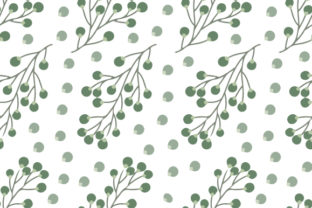
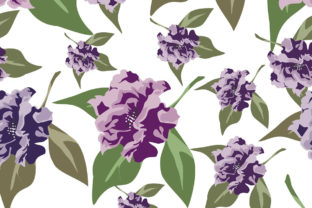
Floral black and white pattern design offers a timeless aesthetic that blends elegance with simplicity. This style uses only shades of black and white to create intricate floral motifs, often featuring leaves, branches, and flowers against an inked background. The result is a striking visual that can be applied across various creative fields, from textiles to digital paper. Its clean lines and high contrast make it ideal for both print and digital use, ensuring versatility in application.
The Appeal of Monochrome Floral Design
Monochrome floral patterns are more than just a trend—they represent a refined approach to design. By eliminating color, the focus shifts to form, texture, and composition. This allows for greater emphasis on the natural elements like petals, stems, and foliage. The absence of color also makes these designs highly adaptable, as they can easily transition between different mediums and contexts without losing their impact.
One of the key advantages of this design style is its clarity. Black and white compositions are inherently simple, which makes them easy to understand and apply. Whether used in branding, packaging, or personal projects, these patterns maintain a sense of sophistication while remaining accessible. Their neutrality also means they can complement a wide range of colors and materials, making them a versatile choice for designers and creators alike.
Creative Possibilities and Applications
Floral monochrome designs open up a world of creative possibilities. Here are some practical applications:
- Textiles: Use the pattern on fabric for clothing, home décor, or accessories. The bold contrast creates a strong visual statement that stands out in any setting.
- Digital Paper: Ideal for wrapping paper, greeting cards, and stationery. The high resolution (300 dpi) ensures crisp details, making it perfect for printing at home or professionally.
- Branding: Incorporate the design into logos, website backgrounds, or social media assets. It adds a touch of elegance that resonates well with modern audiences.
- Art Projects: Use the pattern as a base for mixed-media art, collages, or custom illustrations. The inked background adds depth and dimension to the design.
These patterns are not limited to traditional uses. They can be adapted for digital platforms, such as websites or mobile apps, where they serve as background elements or decorative accents. Their scalability ensures that they look great at any size, whether printed or displayed on screen.
Designing with Flowers and Branches
When creating a floral black and white pattern, the choice of elements plays a crucial role. Leaves, branches, and flowers each bring unique textures and shapes to the design. For instance, leaves can add movement and contrast, while branches provide structure and balance. Flowers, on the other hand, offer focal points that draw the eye and create visual interest.
To achieve a cohesive look, consider the following tips:
- Balance: Ensure that the elements are distributed evenly across the design. This prevents overcrowding and maintains a sense of harmony.
- Contrast: Use black and white effectively to highlight certain areas. Darker tones can emphasize details, while lighter tones create a sense of openness.
- Texture: Incorporate varying line weights and shapes to add depth and dimension. This makes the design more engaging and visually dynamic.
- Repetition: Repeat elements consistently to create rhythm and flow. This helps reinforce the theme and makes the pattern feel intentional.
Experimenting with different styles and approaches can lead to unique interpretations of the design. Whether you prefer a minimalist look or something more elaborate, there’s room for creativity within the constraints of black and white.
Adapting the Design for Different Needs
Floral monochrome patterns can be tailored to suit various goals and audiences. For example, a designer working on a luxury brand might use the pattern for high-end packaging, while a hobbyist might incorporate it into DIY projects or handmade crafts.
Consider the following ways to adapt the design:
- For Marketers: Use the pattern in marketing materials to create a cohesive brand identity. Its clean and elegant nature aligns well with professional aesthetics.
- For Educators: Integrate the design into lesson plans or classroom activities to teach students about composition, symmetry, and artistic expression.
- For Entrepreneurs: Apply the pattern to product packaging or promotional items to enhance visual appeal and brand recognition.
- For Bloggers: Use the design as a background for blog posts or social media content to add a touch of style and professionalism.
Regardless of the audience or purpose, the key is to maintain clarity and consistency. A well-structured design ensures that the message or theme is communicated effectively, whether it's for commercial use or personal expression.
Practical Recommendations for Success
Creating effective floral monochrome patterns requires attention to detail and a clear understanding of the design process. Here are some practical recommendations:
- Start with a sketch: Begin by drawing the basic elements—flowers, leaves, branches—to establish the foundation of your design.
- Use digital tools: Software like Adobe Illustrator or Procreate can help refine details and ensure precision in your work.
- Test prints: Always print a sample to check how the design looks in real life. Adjustments may be needed based on physical output.
- Keep it organized: Maintain a structured workflow to avoid confusion and ensure that all elements are consistent throughout the design.
- Stay inspired: Explore different sources of inspiration, such as nature, art history, or contemporary design trends, to keep your work fresh and original.
By following these steps, you can create a floral black and white pattern that is both visually appealing and functionally effective. Whether you're designing for a specific project or exploring new creative ideas, this style offers endless opportunities for innovation and expression.