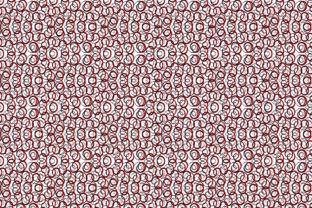
Circles Organized Pattern Design: A Practical Approach to Structured Creativity
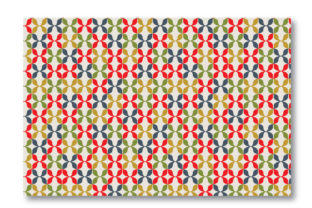
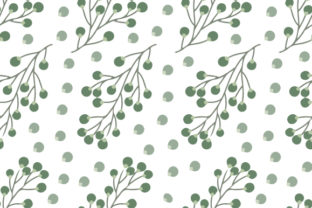
Circles Organized Pattern Design is a visual and conceptual framework that leverages the symmetry and repetition of circular elements to create structured, scalable, and aesthetically pleasing designs. This design methodology is particularly useful for those working in graphic design, branding, web development, and creative illustration. By organizing circles into patterns, designers can achieve a sense of order, balance, and harmony within their work.
Understanding the Concept
The core idea behind Circles Organized Pattern Design lies in the strategic placement of circular shapes to form repeating motifs or cohesive layouts. These patterns can be used as background elements, decorative accents, or even functional components in user interfaces. The use of circles allows for a high degree of flexibility and scalability, making it an ideal choice for both digital and print-based projects.
This approach is not limited to a single style or medium. Whether you're creating a logo, a website layout, or a printable pattern, the principles of Circles Organized Pattern Design can be adapted to fit your specific needs. Its versatility makes it a valuable tool for designers across various industries.
Where It Fits in the Creative Process
Circles Organized Pattern Design can be integrated at multiple stages of a project. Before beginning a design, it can serve as a planning tool to establish structure and flow. During the execution phase, it helps maintain consistency and visual coherence. After the project is completed, it can also be used for revision, refinement, or expansion.
For example, when designing a brand identity, using a circular pattern can help reinforce themes of unity, continuity, and inclusivity. In web design, such patterns can be used to create engaging backgrounds that complement the content without overwhelming it. In educational materials, they can aid in visual learning by breaking down complex ideas into digestible, organized segments.
How It Interacts with Other Tools and Resources
Circles Organized Pattern Design works well with a variety of tools and platforms. Vector software like Adobe Illustrator or Inkscape provides the necessary precision for creating and manipulating circular elements. For those who prefer a more hands-on approach, hand-drawn templates can be scanned and digitized for further customization.
The included EPS file and JPEG file offer different advantages depending on the project's requirements. EPS files are ideal for high-quality print work, while JPEG files are more suitable for web-based applications. The help file ensures users can easily navigate the features and functions of the design, making it accessible to both beginners and experienced designers.
Licensing information is also crucial for ensuring proper usage and compliance. Understanding the terms of use allows creators to incorporate the design into their projects without legal complications.
Practical Implementation Tips
To get started with Circles Organized Pattern Design, begin by selecting a base shape—a circle—and experimenting with its size, spacing, and color variations. Consider how these elements will interact with other components of your design. Use the bucket mesh tool to fill the circles with consistent colors or gradients for a polished look.
When scaling the design, ensure that the proportions remain balanced. Rotating and modifying the circles can add depth and interest to the overall composition. It's important to test the design in different contexts to see how it performs in various environments, whether it's a digital interface or a printed publication.
One effective strategy is to start small and gradually expand the pattern. This allows for greater control over the final outcome and reduces the risk of overwhelming the viewer. As you become more comfortable with the process, you can explore more complex arrangements and combinations.
Workflow Examples
Let’s consider a real-world scenario. Suppose you're designing a product packaging concept. You could use Circles Organized Pattern Design to create a background that complements the product's branding. Start by sketching a rough layout, then refine the circular elements to match the desired aesthetic. Once satisfied, export the design in the appropriate format and integrate it into the packaging mockup.
Another example involves creating a digital poster. Using the circular pattern as a focal point can draw attention to key elements while maintaining a clean and professional look. Adjust the spacing and alignment to ensure the design remains visually appealing and easy to read.
In educational settings, Circles Organized Pattern Design can be used to create interactive learning materials. For instance, a science lesson on planetary systems could feature a circular pattern representing the solar system, helping students visualize and understand the relationships between celestial bodies.
Factors to Consider
When implementing Circles Organized Pattern Design, several factors should be taken into account. Preparation is essential—ensuring that all tools and resources are ready before starting the design process. Compatibility with different platforms and formats is also important, especially if the design will be used across multiple mediums.
Usability plays a key role in determining the effectiveness of the design. Whether it's a logo, a website, or a print layout, the design should be intuitive and easy to navigate. Efficiency is another consideration, as the design should streamline workflows rather than complicate them.
Consistency in color, shape, and spacing contributes to the overall quality of the design. Quality control measures, such as reviewing the design for errors or inconsistencies, can help ensure a polished final product. Long-term use is also worth considering, as the design may need to be updated or modified over time.
Integrating Into Your Workflow
Integrating Circles Organized Pattern Design into your workflow requires a thoughtful approach. Begin by identifying areas where this design method can add value. For instance, if you're working on a branding project, consider how circular patterns can enhance the visual identity of the brand.
Once you've identified a use case, experiment with different variations and configurations. Document your findings and adjust the design based on feedback or performance metrics. Over time, you'll develop a deeper understanding of how to apply this technique effectively in your work.
Collaboration can also play a role in the integration process. Sharing your designs with peers or clients can provide new perspectives and insights, helping you refine your approach and improve the overall outcome.
Ultimately, the goal is to create a seamless and efficient workflow that enhances your creative output. By leveraging the strengths of Circles Organized Pattern Design, you can achieve greater consistency, clarity, and impact in your projects.